


Hey there! As a French Door Handle Lock supplier, I've seen my fair share of issues with these locks. One of the most common problems homeowners face is a jammed French door handle lock. It can be super frustrating, especially when you're in a hurry or just want to relax at home. But don't worry, I'm here to walk you through how to fix it.
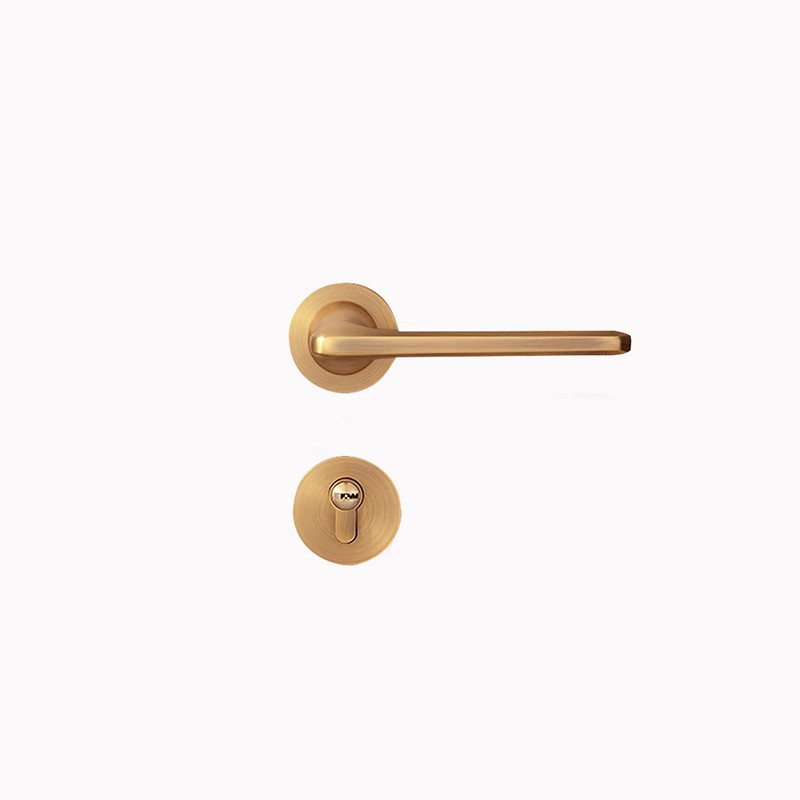

Understanding the Problem
First things first, let's figure out why your French door handle lock is jammed. There are a few common reasons for this:
- Dirt and Debris: Over time, dirt, dust, and other debris can build up inside the lock mechanism. This can prevent the lock from turning smoothly or even getting stuck completely.
- Worn-out Parts: Locks are made up of various moving parts, and with regular use, these parts can wear out. A broken spring, a bent latch, or a worn keyway can all cause the lock to jam.
- Misalignment: If the door isn't properly aligned with the frame, the lock may not engage correctly. This can happen due to settling of the house, changes in temperature and humidity, or even a minor impact.
Tools You'll Need
Before you start fixing the jammed lock, gather the following tools:
- Screwdriver: You'll need a Phillips or flathead screwdriver, depending on the type of screws used in your lock.
- Lubricant: A silicone-based lubricant or graphite powder can help loosen up the lock mechanism.
- Pliers: Pliers can be useful for adjusting or removing small parts.
- File: A small file can be used to smooth out any rough edges or burrs on the lock components.
- Replacement Parts: If you suspect that a part of the lock is worn out or broken, it's a good idea to have replacement parts on hand. You can find OEM Door Lock Set on our website, which are high-quality and compatible with most French door locks.
Step-by-Step Fix
Now that you have your tools ready, let's get started on fixing the jammed lock:
Step 1: Clean the Lock
- Start by removing the lock from the door. Use your screwdriver to remove the screws on the interior side of the door handle. Once the screws are removed, carefully pull the lock out of the door.
- Use a can of compressed air to blow out any loose dirt and debris from the lock mechanism. Pay special attention to the keyway and the area around the latch.
- If there's still dirt or grime stuck inside the lock, you can use a small brush or a cotton swab dipped in rubbing alcohol to clean it. Make sure to dry the lock thoroughly before reassembling it.
Step 2: Lubricate the Lock
- Apply a small amount of lubricant to the keyway and the moving parts of the lock. You can use a silicone-based lubricant or graphite powder. Graphite powder is a great option because it doesn't attract dirt and debris like oil-based lubricants do.
- Insert the key into the lock and turn it back and forth several times to distribute the lubricant evenly. This will help loosen up any stuck parts and make the lock turn more smoothly.
Step 3: Check for Misalignment
- If the lock is still jammed after cleaning and lubricating it, the problem may be due to misalignment. Check to see if the door is properly aligned with the frame. You can do this by closing the door and looking for any gaps or unevenness around the edges.
- If the door is misaligned, you may need to adjust the hinges. Use your screwdriver to loosen the hinge screws slightly and then move the door up, down, or sideways until it's properly aligned. Once the door is aligned, tighten the hinge screws.
Step 4: Inspect and Replace Worn-out Parts
- If the lock is still not working properly, it's possible that a part of the lock is worn out or broken. Carefully inspect the lock components for any signs of damage, such as a broken spring, a bent latch, or a worn keyway.
- If you find a damaged part, you'll need to replace it. You can purchase replacement parts from our website, including Bronze Door Lock and White Door Lock. Make sure to choose the right part for your lock model.
- To replace the part, use your screwdriver or pliers to remove the old part and then install the new one. Follow the manufacturer's instructions carefully to ensure proper installation.
Step 5: Reassemble the Lock
- Once you've fixed the problem, it's time to reassemble the lock. Carefully insert the lock back into the door and align the screw holes. Use your screwdriver to tighten the screws on the interior side of the door handle.
- Test the lock by inserting the key and turning it. The lock should turn smoothly and the latch should engage and disengage properly. If the lock still doesn't work, double-check your work and make sure all the parts are installed correctly.
Preventative Maintenance
To avoid future lock jams, it's important to perform regular maintenance on your French door handle lock. Here are some tips:
- Clean the Lock Regularly: Use a dry cloth to wipe down the lock and remove any dirt or debris. You can also use a can of compressed air to blow out the keyway and the lock mechanism.
- Lubricate the Lock Annually: Apply a small amount of lubricant to the keyway and the moving parts of the lock once a year. This will help keep the lock working smoothly and prevent it from jamming.
- Check the Alignment Periodically: Make sure the door is properly aligned with the frame by checking for any gaps or unevenness around the edges. If the door is misaligned, adjust the hinges as needed.
Conclusion
Fixing a jammed French door handle lock may seem like a daunting task, but with the right tools and a little know-how, you can do it yourself. By following the steps outlined in this blog post, you should be able to diagnose and fix the problem in no time. And if you need any replacement parts or have any questions, don't hesitate to reach out to us. We're here to help you keep your French door locks in top condition.
If you're interested in purchasing high-quality French door handle locks or replacement parts, please feel free to contact us for more information and to discuss your specific needs. We look forward to working with you!
References
- "How to Fix a Jammed Door Lock" - Family Handyman
- "Maintaining Your Door Locks" - This Old House