


Door Hinge
Xi'an Happiness Express Import And Export Trade Co.,Ltd. : Your Professional Door Hinge Manufacturer!
Xi'an Happiness Express Import And Export Trade Co.,Ltd. is a lock factory that mainly produces interior door locks, including split locks, plate handle, triple lever locks, and matching cylinder locks. We offer a wide variety of styles, with about 800 sets of self-developed moulds to choose from.
Comprehensive Order Tracking and After-Sales Support
We promptly track order status, including production progress and shipment updates, keeping you informed in real-time. Our dedicated after-sales service team, made up of experienced professionals, ensures that whether it's product installation, maintenance, or replacement, we follow up throughout the entire process to resolve issues.
OEM & ODM Available
For medium and large customers, such as real estate developers, engineers, and lock distributors, we offer OEM/ODM customization services. We can configure door locks according to your specific needs and brand requirements. Additionally, we offer free logo design and customized packaging.
Rich Products
Our company mainly produces Door Lock, Mortise Lock Cylinder, Door Hinge, Door Stopper, etc., which are designed for use in both property and home doors.
Leading Service
We have many years of industry experience, a complete production management, quality supervision, and sales service operation system. Whether you want to purchase Door Lock or Mortise Lock Cylinder, just email your requirements and we can customize the product for you.


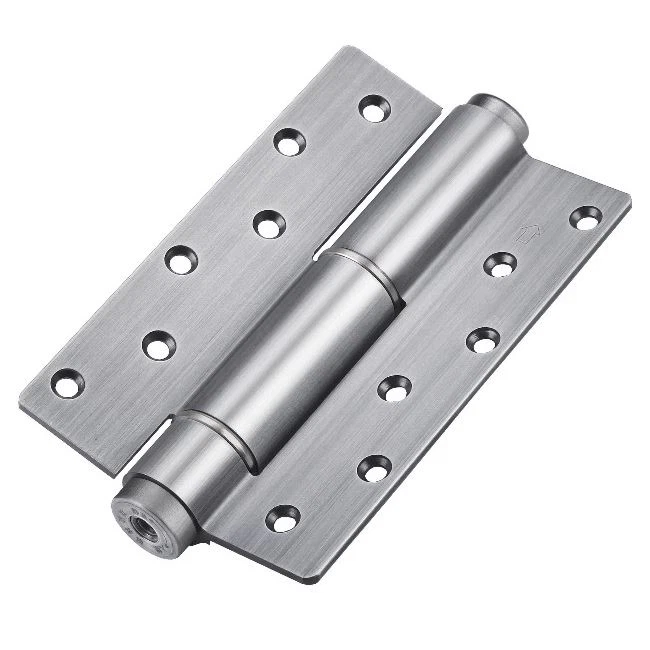
A hinge is a type of moveable joint that connects two objects together and allows for a swinging motion, where one part is fixed and one is mobile. Any exterior or interior doors in your home, kitchen cabinets, and even some types of windows function with the use of different types of hinges.
There are many different types of hinges, created for very specific purposes. Here are different types of hinges and their common uses:
Barrel Hinge
This is not to be confused with the barrel part of a hinge, as barrel hinges are a specific type of hinge similar in appearance to a butt hinge and are best used for small cabinets or storage chests.
Butt Hinge
A butt hinge is one of the most common types of hinges and also a very heavy-duty hinge. It consists of two leaves joined by a series of knuckles. One leaf is attached to the door, or moving component, leaving the other leaf in a fixed position. Within this variety, there are three types of butt hinges: lift-joint hinges, rising butt cabinet hinges, and ball bearing hinges. Butt hinges are usually made of stainless steel.
Butterfly Hinge
More decorative hinges, butterfly hinges come in light-duty or heavy-duty versions, so they can be used for almost anything where the hinge is visible.
European Hinge
European hinges are designed to be concealed within a door, making them not only hinges but also design elements. They can be used on cabinet doors or anywhere else you want to hide the actual hinge when the door is in a closed position. The term European hinge usually refers to a wide range of this type of hinge and not a specific, singular hinge.
Flush Hinge
These hinges are best for lighter use since they can’t handle the heft of most doors. Each flush hinge features one leaf that fits inside a cutout on the other leaf.
Knife Hinge
Use this type of hinge when you want to conceal hinges. They are scissor-shaped and usually mounted in places where a door or lid is opened upwards, such as tool chests or even some types of cabinets, making this one of the many types of cabinet hinges.
Mortise Hinge
A mortise hinge is technically any hinge that requires a recess to be cut out of the frame in order for the hinge to sit flush with the frame. Hinges that don’t require a mortise are referred to as surface mount hinges.
Offset Hinge
Offset hinges are replacements for standard measure hinges and allow for the door opening to be wider than what is required for building codes. This is helpful if there is a need for a wider door opening, or if you just like the look of a wider door opening.
Piano Hinge
Also called a continuous hinge, this is the longest of the hinges, as it runs the entire length of the door. You will find these hinges mortised into the lid of items such as a piano, a desk door, a tool box, and others. A mortise means a hole or divot cut into a certain part of a design element in order for another piece to be placed into it. In this case, the piano hinge is the element being inserted.
Pivot Hinge
You can also call pivot hinges overlay hinges, as they are frequently used on overlay cabinets and doors that are either partial overlay, half overlay, or full overlay doors. Since this hinge rotates on only a single pivot point, it can be tricky to install in a way that keeps it level, and if it’s not level, it won’t function properly.
Soft-Close Hinge
Soft-close hinges prevent doors from slamming shut and can even make it easier to close doors that are difficult to shut, as they assist somewhat with the closing. Many kitchen cabinets, as well as bathroom vanity drawers and cabinets, have soft close hinges that are inside or outside of the cabinet or drawer.
Spring Hinge
Use spring-loaded hinges, or self-closing hinges, when you want a door to close on its own without force. If it’s a heavy-duty door, multiple spring hinges might be required to achieve the desired self-closing effect.
Strap Hinge
Strap hinges are also known as gate hinges since they are mostly used for outdoor gates, sheds, garages, and exterior doors. These hinges have long, thin leaves and short barrels.
Anatomy of a Door Hinge
Door Hinges are intricate structures consisting of various components that come together to form one complete unit. All these parts work together to provide a durable & smooth pivot action. Here’s a list of the different parts and their individual roles in ensuring proper operation – leaves, knuckle, and pin.
Leaf
The leaves are the flat, elongated sections of the hinge that are attached to the door or the frame. The leaves provide the main support for the door and help to distribute its weight evenly across the hinge. They offer the mechanical advantage required for hinge joints to turn.
Knuckle (Barrel)
The knuckle is an integral component of the hinge – located in the center, it rotates around the pin and forms a ‘barrel’ with other knuckles present. This barrel allows for the smooth operation of the hinge as it offers a pivot point for its movement.
Pin
The hinge pin is a cylindrical rod running through the knuckles, helping the two leaves of the hinge rotate and stay connected. This durable component offers stability and strength to the construction of the overall hinge.
One of the decisions you’ll have to make when shopping for hinges is choosing the right material. While most hinges are made of metal, they are available in different types of metals. Some of them are harder and stronger than others, whereas other hinges are better protected against corrosion. Regardless of the application, you’ll need to choose hinges in the right material. Below is a breakdown of five common materials in which hinges are made.
Cold-Rolled Steel
Many hinges are made of cold-rolled steel. Also known as cold-formed steel, it’s an iron alloy that’s rolled at room temperature. Cold-rolled steel isn’t exposed to extreme heat. Rather, it’s processed and rolled at room temperature to preserve its physical characteristics. Hinges made of cold-rolled steel are strong, durable and long-lasting, making them a popular choice for many manufacturing-related applications.
Stainless Steel
Perhaps the most common material in which hinges are made is stainless steel. Stainless steel is an iron alloy that contains a small amount of carbon. The presence of carbon is essentially what distinguishes stainless steel from other types of steel. When carbon is added to iron, stainless steel is formed. Stainless steel hinges offer a high level of protection against corrosion and rust because of their carbon content.
Aluminum
You can also find hinges made of aluminum. Aluminum isn’t an alloy. Rather, it’s a pure metal. Like stainless steel, though, aluminum is naturally protected against corrosion. Aluminum hinges can withstand moist and humid environments without succumbing to the degradative effects of corrosion. At the same time, aluminum hinges are lightweight and inexpensive.
Brass
While not as common as cold-rolled steel or stainless steel, some hinges are made of brass. Brass hinges are extremely malleable. In other words, they can be shaped and manipulated more easily than those made of other materials. A downside to brass hinges, however, is that they are susceptible to stress-related cracking. If exposed to extreme physical stress, they may crack. Fortunately, not all hinges are exposed to physical stress. For low-stress applications, brass hinges may suffice.
Bronze
A fifth material in which hinges are made is bronze. Bronze hinges are relatively strong, offer high ductility and provide decent protection against corrosion. They also exhibit protective qualities against friction. Bronze hinges can withstand friction with other metal objects without degrading. When compared to brass, though, bronze is more expensive. As a result, you can expect to pay more for bronze hinges than brass hinges.
Factors to Consider When Choosing a Door Hinge
Door Material and Properties
Identifying the specific materials used for existing or intended doors – whether wood, glass, aluminum, or hollow/solid core – directly influences suitable hinge options. Consider corresponding properties like weight, thickness, and fire rating when determining adequate load-bearing capacities and appropriate hinge materials that can be safely and securely mounted.
Accessibility Requirements
Determine accessibility needs in terms of door swing clearance, opening width, and latching mechanisms. Choosing hinges that accommodate disability access standards and the expected movement of goods/equipment enables seamless navigation.
Expected Traffic Flow
Assess typical door use patterns, such as employee vs customer entryways, frequency of opening, occupant capacity, and likelihood of abuse/accidents. Prioritize hinges engineered for durability, adjustable alignment, and easy repairs accordingly.
Security Requirements
Establish perimeter safety needs, opportunities for internal monitoring, and consequences of tampering/vandalism. Opt for hinges with security studs, integrated alarm contacts, and vandal-resistant designs for vulnerable access points.
Noise Transfer Resistance
Consider interior acoustics and privacy needs when selecting hinges. Ball bearing hinges minimize friction and hydraulic models softly close doors to limit disruptive noise and bolster soundproofing.
Aesthetic Cohesion
Ensure finishes, shapes, and decorative elements coordinate with surrounding architecture and design vision. Custom branding on hinges or integrated architectural metals visually elevates spaces while fulfilling functional purposes.
Tips to Fit Hinges to a Door
Fitting hinges to a door requires careful attention to ensure proper alignment and functionality. Here are some additional tips to help you fit hinges to a door effectively:
Level the Hinges
It's crucial to ensure that the hinges are level when installing them on both the door and the door frame. Use a spirit level to check the alignment and make adjustments as necessary. This step is essential for the door to operate smoothly and prevent any binding or misalignment.
Use a Quality Chisel
Investing in a good quality chisel is important for achieving clean and precise hinge recesses. A sharp and sturdy chisel will make it easier to remove the wood and create accurate recesses for the hinges. Dull or low-quality chisels can lead to rough or uneven recesses, compromising the hinge fit.


Use a Self-Centering Bit
When drilling pilot holes for the hinge screws, consider using a self-centering drill bit. This type of bit automatically centres itself on the hinge screw to drill pilot holes for, ensuring that the screws go in straight and true. It helps prevent the screws from drifting off course and improves the overall stability of the hinges.
Use the Right Hinges
Choosing the appropriate hinges for your door is crucial. Consider factors such as the weight and size of the door to determine the suitable hinge type. Additionally, ensure that the hinges you select are of good quality and designed for the specific application. Cheap or poorly made hinges may not provide the necessary durability or smooth operation.
Frequently Asked Questions
Q: What is a Door Hinge?
Q: How does a Door Hinge work?
Q: What is the recommended lubrication frequency for door hinges?
Q: What kinds of finish options are typically available for door hinges?
Q: What design features enhance security in door hinges?
Q: What are parts of a Door Hinge?
Knuckle: The knuckle is the looped portion at the end of each leaf. The knuckles are staggered so that the two leaves can be held together by sliding a pin through the knuckles.
Pin: The pin is the long, skinny door hinge part that slides through the knuckles, securing the two leaves to one another. The hinges are able to rotate on the pin, allowing a door to open and close smoothly.
Screw Hole: Each leaf will have a series of screw holes that allow you to secure the hinge to the door frame and to the door itself.
Q: What are types of Door Hinge installations?
Full mortise: For these, the door hinge is designed to have a leaf each installed on the door and the frame, with each one sunk into the wood in a spot that’s been carved to fit.
Half mortise: In this case, the leaf that’s installed on the door side is sunk into the wood in a spot carved to fit it, while the leaf installed on the door-frame side is connected to the surface of the frame.
Full surface: Full surface mounting occurs when both the leaf on the door and the frame are connected to the surface of the wood.
Half surface: Essentially the opposite of half mortise, a half surface mount is when the leaf attached to the door is applied to the surface and the one attached to the frame is installed in a spot carved to fit it.
Q: What is the correct way to hang door hinges?
Q: Do you install hinges on door or frame first?
Q: Do door hinges go inside or outside?
Q: Are there different types of door hinges?
Q: Do I put hinges on the door or frame first?
Q: Which side of the hinge goes on the door?
Q: Does it matter which way door hinges are installed?
Q: How do you fix a misaligned door hinge?
We're professional door hinge manufacturers and suppliers in China, specialized in providing high quality customized service. We warmly welcome you to buy discount door hinge in stock here and get quotation from our factory. For price consultation, contact us.
wholesale door hinge, door hinge dimensions, door hinge flexibility